
Death Penalty

Edited by Farhad Sabetan

The collection brings together powerful essays, interviews, and case studies exploring the practice of capital punishment, with a focus on Iran. Combining legal, historical, economic, and psychological perspectives with first-hand testimonies from those scarred by executions, the volume questions whether the death penalty can ever be just, effective, or compatible with human rights. Offering informed, fair-minded arguments rather than slogans, this collection invites readers to reconsider the moral, social, and political costs of state killing.

Immortality

Edited by Iraj Ghanooni

Iraj Ghanooni gathers classic and contemporary essays, translations, and reflections on death, the soul, and the desire to outlive our finite lives. From Socrates and Simmel to Bergson and modern thinkers, the volume explores how philosophy, literature, and lived experience recast mortality as a condition for meaning rather than its negation. Moving between East and West, these texts ask what, if anything, in us can resist oblivion.

Baha’i Faith, Society & Politics

Edited by Erfan Sabeti

The collection brings together leading scholars to examine the social and political perspectives of the Baha’i faith. Through studies of community-building, minority experience, global networks, and evolving interpretations of justice, unity, and reform, the essays illuminate how a persecuted religious minority navigates power, identity, and modernity. Rich in insight and grounded in diverse contexts—from Iran and the Middle East to East Asia—this volume offers a nuanced portrait of a global faith in transformation.

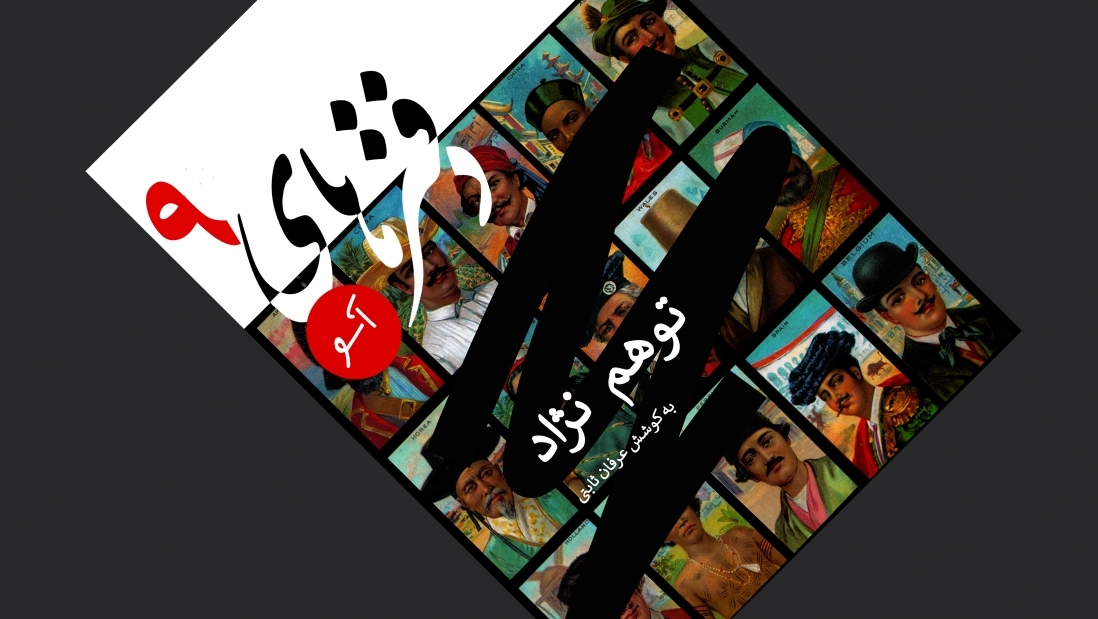
The Illusion of Race

Edited by Erfan Sabeti

From the invention of the word “white” in 1613 to the forgotten histories of African Iranians and enslaved Europeans in the Islamic world, The Illusion of Race dismantles the myths that shape modern identities. Featuring leading writers such as Zygmunt Bauman and Angela Saini, the collection brings together a wide range of perspectives - including Baha'i narratives - and exposes race as a shifting political construct with real human costs. It challenges much of what we think we know about race, history, and belonging.
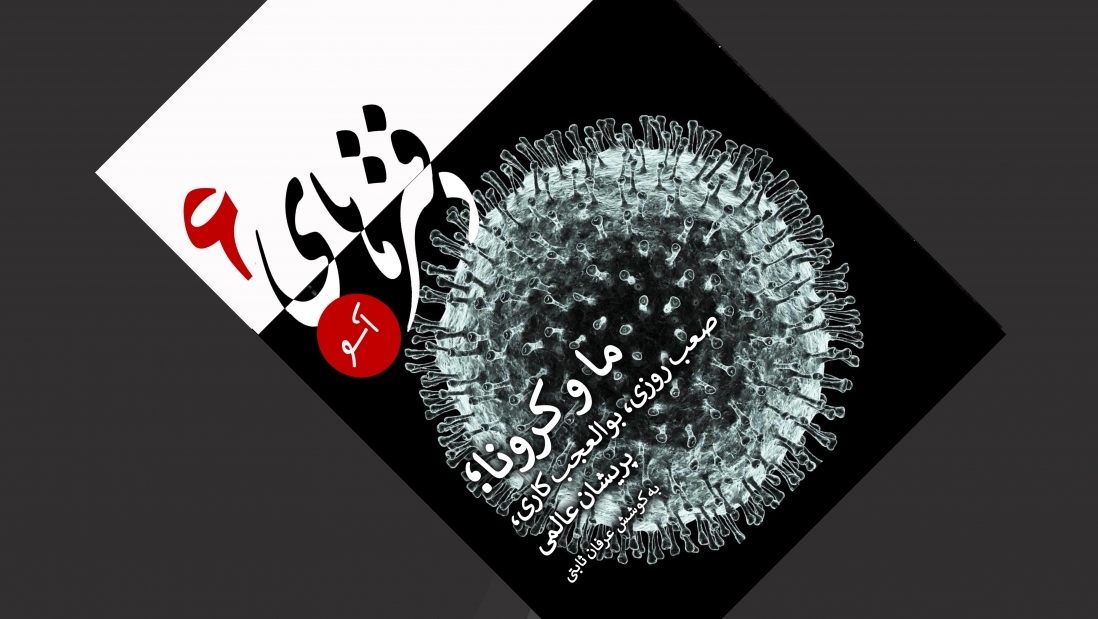
We and the Coronavirus

Edited by Erfan Sabeti

The book brings together essays by leading global thinkers — including Gordon Brown, Yuval Noah Harari, Anne Applebaum, and Zygmunt Bauman — to explore the profound impact of the Covid-19 pandemic. This first special edition examines the global history of pandemics, the vulnerabilities of populism, the shock to world economies, and the contagious power of fear. Through international perspectives, the collection argues that only cooperation and trust between communities and nations can shape a shared post-Covid future.

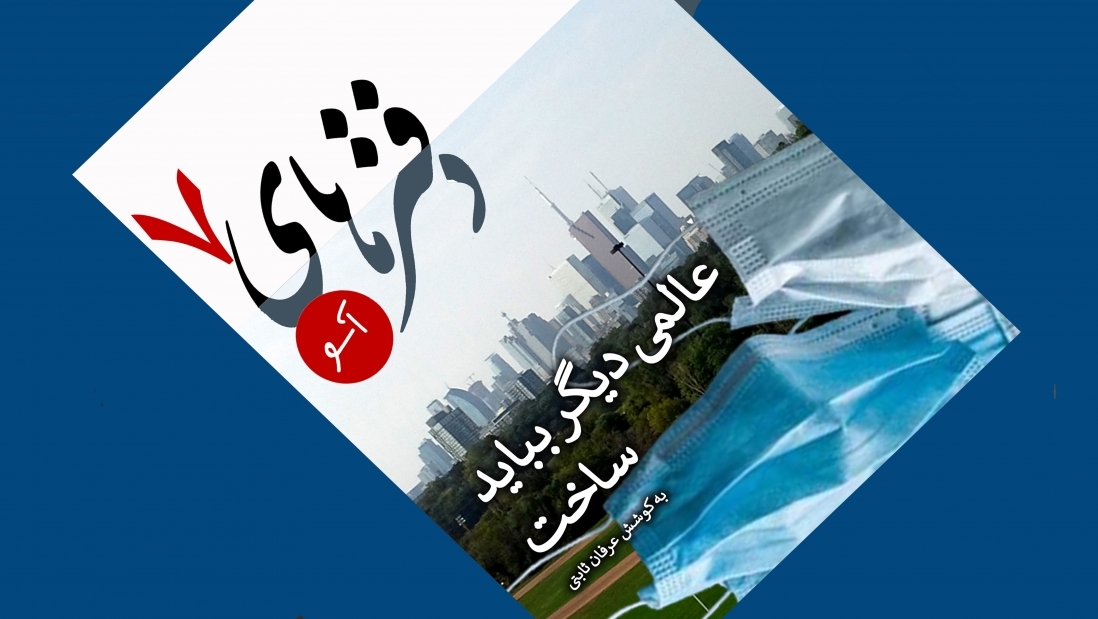
Another World Must Needs Be Built

Edited by Erfan Sabeti

A collection of powerful reflections on the Covid-19 crisis from leading international voices, including Mikhail Gorbachev, Yuval Noah Harari, Alain de Botton, Arundhati Roy, and Anne Applebaum. This second special edition examines how the pandemic reshapes global unity, climate policy, inequality, social order, and our relationship to mortality. From the dangers of tech opportunism to the hope for renewal, these essays challenge us to imagine - and build - a more resilient post-pandemic world.

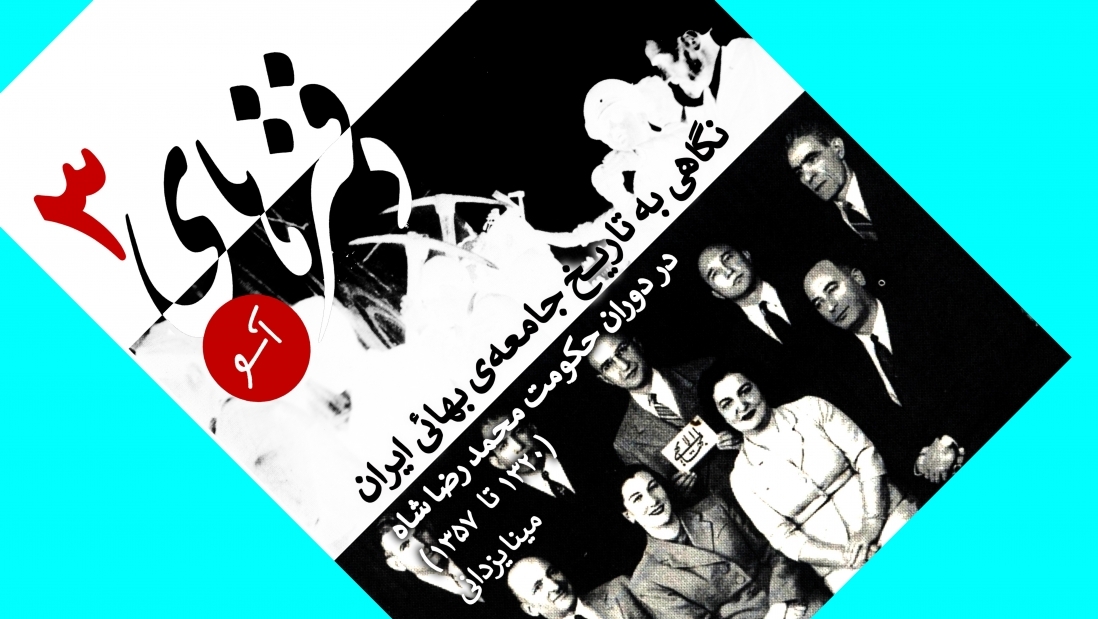
A History of Iran’s Baha’i Community During the Reign of Mohammad Reza Shah

Mina Yazdani

This incisive study traces the shifting fortunes of Iran’s Baha’is under the last Pahlavi monarch, revealing phases of persecution, uneasy respite, and renewed violence. Highlighting the Shah’s conflicting impulses -appeasing clerics while courting a human-rights image - the book shows how Baha’is were alternately scapegoated, ignored, or tolerated. Clear and meticulously researched, it offers a vital overview of a community navigating danger and denial.

The Bab, Two Hundred Years Later

Edited by Erfan Sabeti

This landmark volume brings together leading scholars and writers to commemorate the bicentenary of the Bab’s birth and to reassess the inventive power of his message two centuries on. The essays trace how the Bab’s uncompromising call for radical renewal — his insistence that true transformation required revolution rather than reform - continues to echo through Iranian history and thought.