

A Woman, Grace of Her Time

Reza Farokhfal

Reza Farokhfal explores the poetry and literary spirit of Tahereh Qorrat al-Ain, seeking to understand the poet through her own verse. Are the poems attributed to her truly hers? What do they say to us today? And where do Tahereh and her poetry stand in the lineage of Iranian women’s literature—from Rabi‘a to Forough? Farokhfal approaches these questions through a literary lens, offering fresh insight into a legendary figure.

Farhad’s Waking Dream

Amir Bahari

Amir Bahari’s incisive study of Farhad Mehrad, one of Iran’s most singular musical voices. Drawing on extensive research, Bahari explores Farhad’s artistry, social conscience, unique vocal style, and deep literary sensibility through close analysis of more than forty songs—both his original Persian works and his interpretations of Western rock and pop. Using recordings and archival materials, the book reveals the sensibility and quiet intensity of a musician whose influence shaped a generation and continues to resonate today.

Prison Letters

Nasrin Sotoudeh

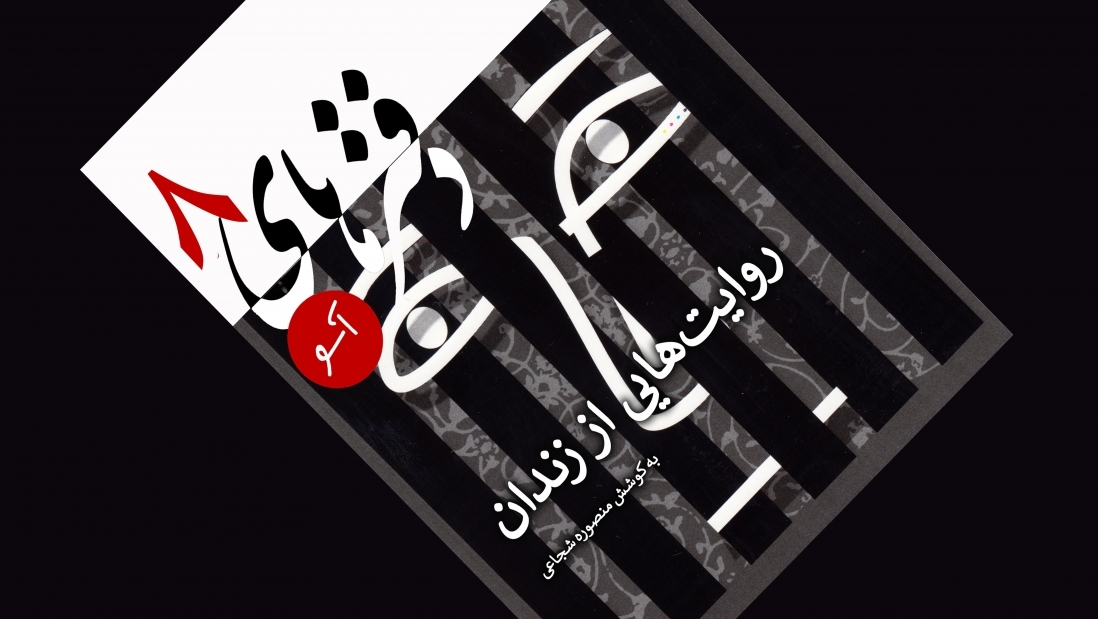
Renowned human rights lawyer Nasrin Sotoudeh writes from inside Iran’s prisons, where she was jailed simply for doing her job. Her letters—smuggled on tissue, censored, or lovingly decorated for her children—reveal courage amid repression, tenderness amid fear. Chronicling her years in prison, she bears witness to systemic injustice while fiercely defending dignity, love, and the unbreakable will to resist.

Seven Essays on Tahereh Qorrat al-Ayn

Iraj Ghanooni

There is no image of her — the first woman in nineteenth-century Iran to claim a public face and, in doing so, to make women visible. Much has been said about her beauty, yet no one ever painted her. Her fame reached so far that even the young Naser al-Din Shah and Amir Kabir sought to meet her. Still, no image remains. This volume of seven essays traces the contours of her inner face — the portrait she left behind in words and deeds.

Conspiracy Thinking

Edited by Hamoon Neyshaburi

A wide-ranging collection of essays that trace the global breadth and local textures of conspiracy theories. From Japan’s earthquake myths to Eastern Europe’s political paranoias, the volume reveals how cultural history shapes these enduring narratives. Yet the main focus is the Middle East, and especially Iran, offering insight into how conspiracy thinking has influenced politics, identity, and public life. Blending psychology, history, and cultural analysis, this collection offers vital tools for navigating today’s world of misinformation.

Why I Rebelled Against Hijab

Sedighe Vasmaghi

In this candid and incisive memoir, Sedighe Vasmaghi—prominent Islamic scholar and political thinker—recounts her courageous journey of questioning, challenging, and ultimately abandoning the hijab after wearing it for most of her life. Blending personal experience with sharp theological critique, she explores faith, freedom, and autonomy. This powerful account of a woman reclaiming her voice offers an essential perspective on resistance from within the tradition.