

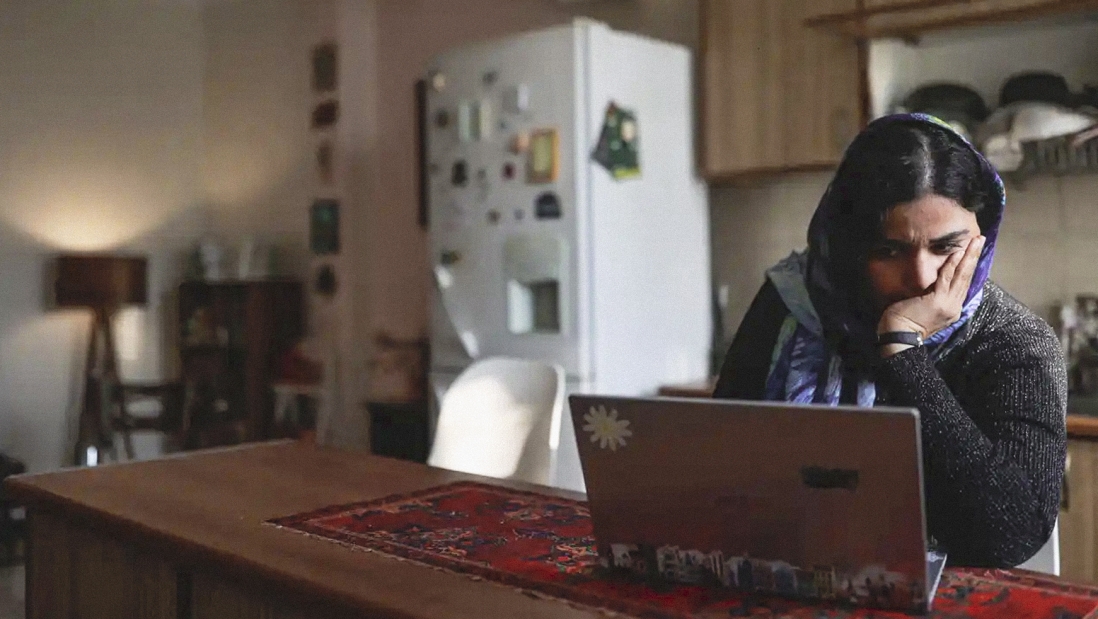
The water has reached our deck of the ship
The head of our research group posted a message in the Baleh app telling us to come to the university building sometime between tomorrow and next Saturday to collect our personal belongings and take them home. For now, only three of the eight members of the group will have their six-month contracts renewed. The rest of us have been sent home.
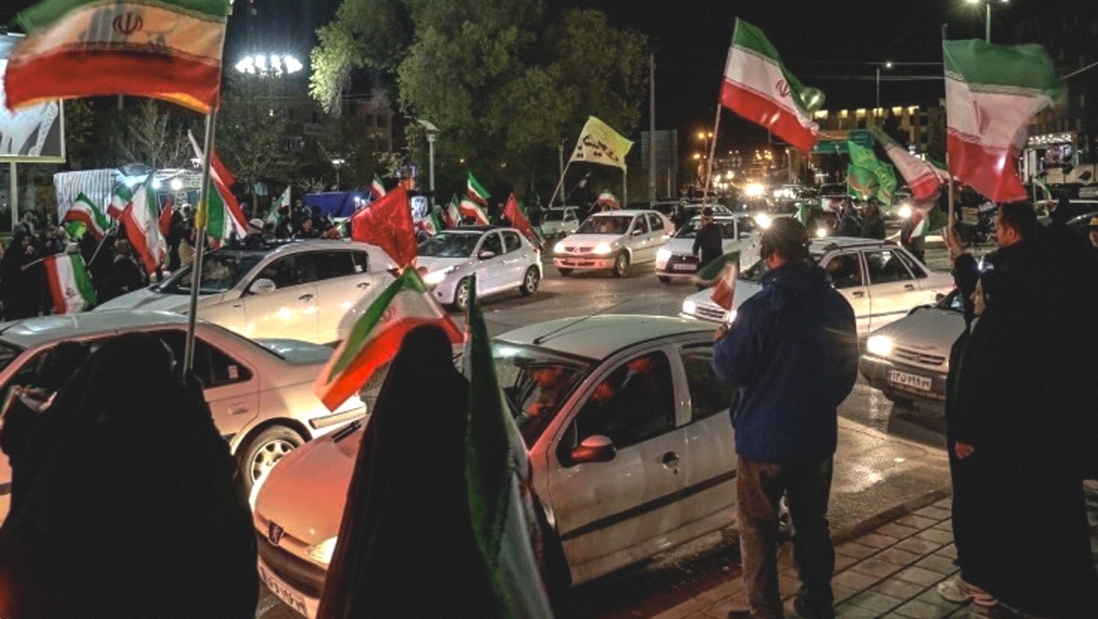
Scenes from pro-government gatherings in Tajrish after dark
This is the same Tajrish that kept its spirit even during bombings. The same square that stayed alive through Nowruz with its vendors selling sabzeh, samanu, and haft-seen decorations.
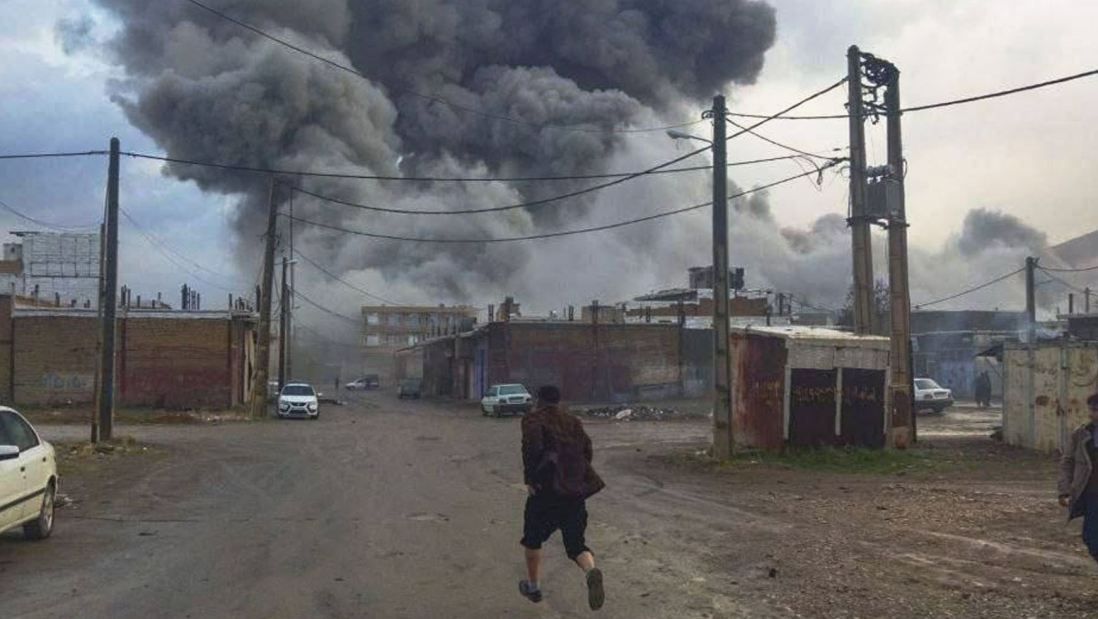
Stories from Kurdistan – Life in the Shadow of War
This is a collection of accounts from different cities in Kurdistan. With the internet and phone lines cut, it has been difficult to reach people in Iran. Still, I have tried to speak with as many people as I could, through friends, and sometimes even strangers I came across by chance.
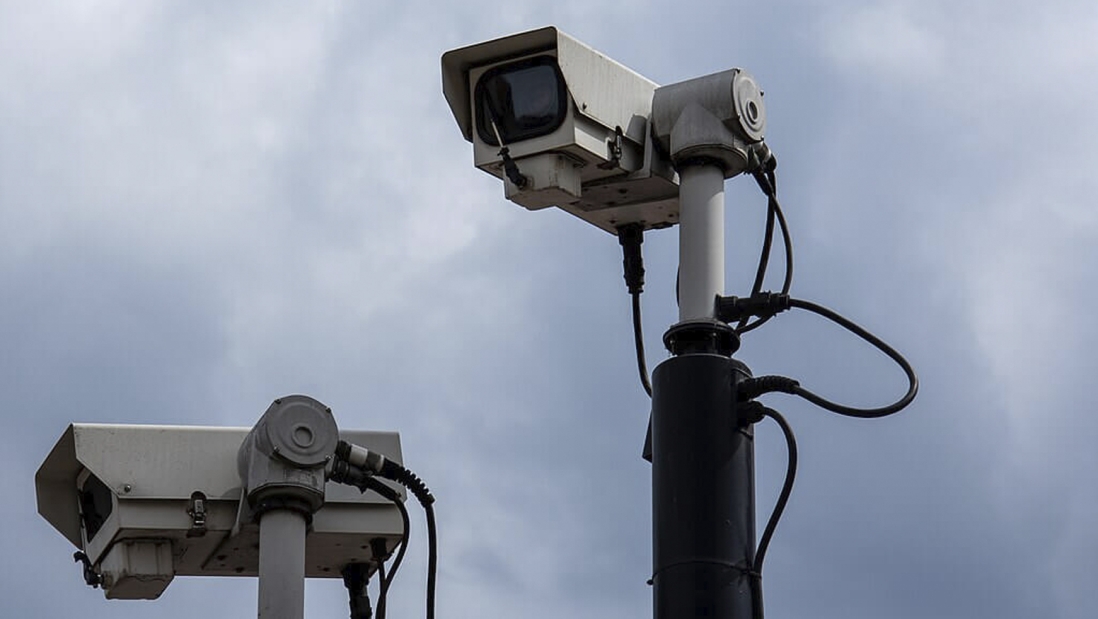
Tehran at War: No Shelters, No Sirens. But the Cameras Still Work
Outside, groups of regime supporters drive through the streets again. Motorcycles and cars carrying Iranian flags. They shout “Allah-o-Akbar” and “Heydar Heydar.” They do not look like mourners. They look like they have just come from a political rally.

Three Notes from Tehran Under Attack
The streets feel empty, cold, and frightened. Security patrols are everywhere. Armed forces stand in the streets, sometimes with armoured vehicles... When I hear the jets, I feel a wave of panic. But when I go up to the roof to see where the explosion happened, the panic somehow becomes less intense.
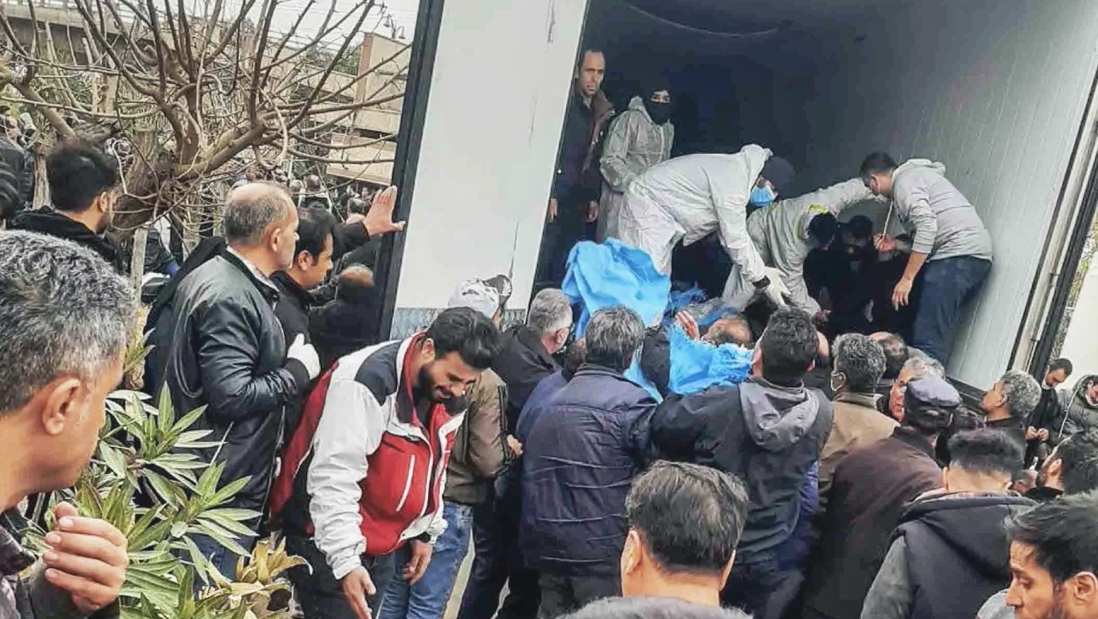
One Hundred Dead in a Small Hospital: A Nurse’s Account from Qarchak
By late Friday, the morgue was full. “We had no choice,” Ahmad says. “We moved the bodies to the dialysis ward and laid them side by side. We even ran out of body bags. We wrapped them in sheets and tied the ends.”
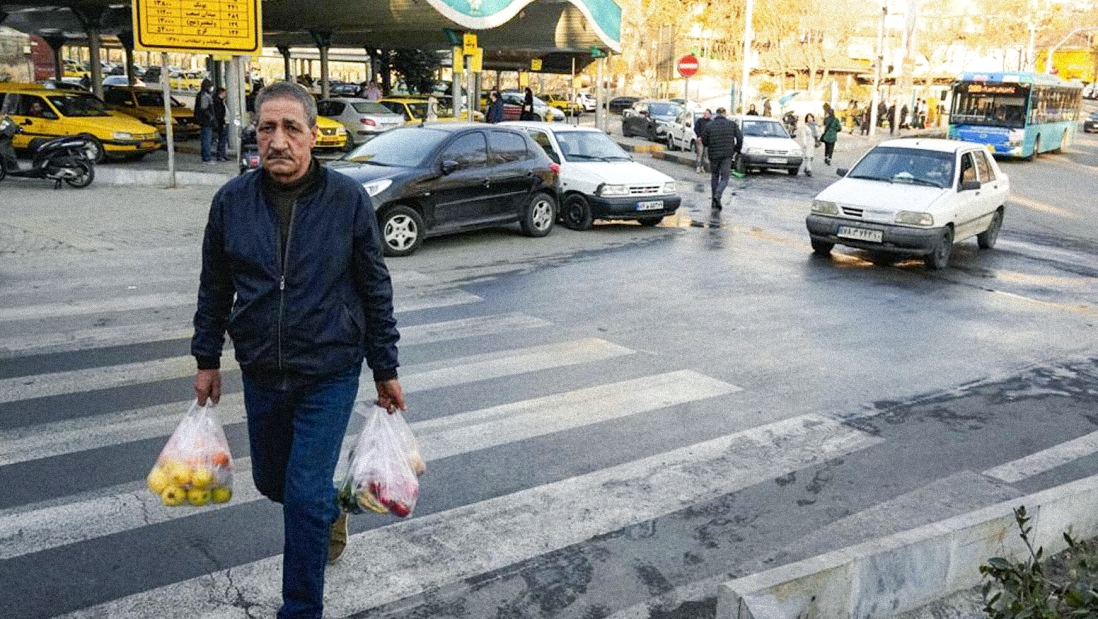
Longing for an Ordinary Day - Two Notes from Tehran
No one knows what will happen next, but everyone knows this kind of life—this suspended, existence—cannot go on forever.
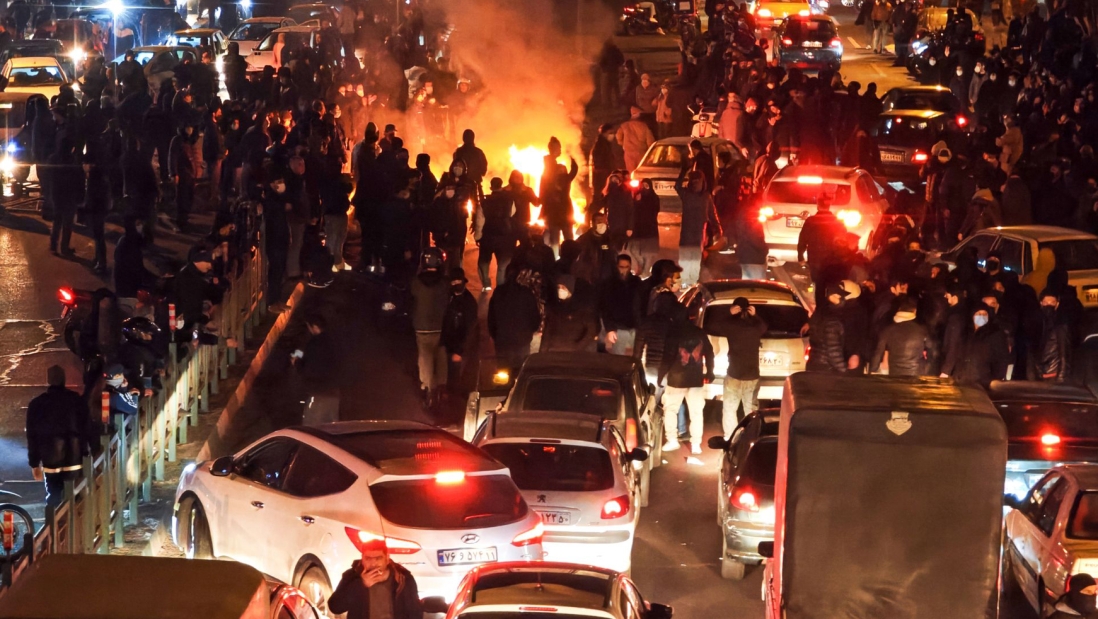
Fragments from the Protests: Voices from Several Cities
It felt like being thrown back a century — into a time when the only news you had was what you saw yourself, or what you heard from a neighbour.
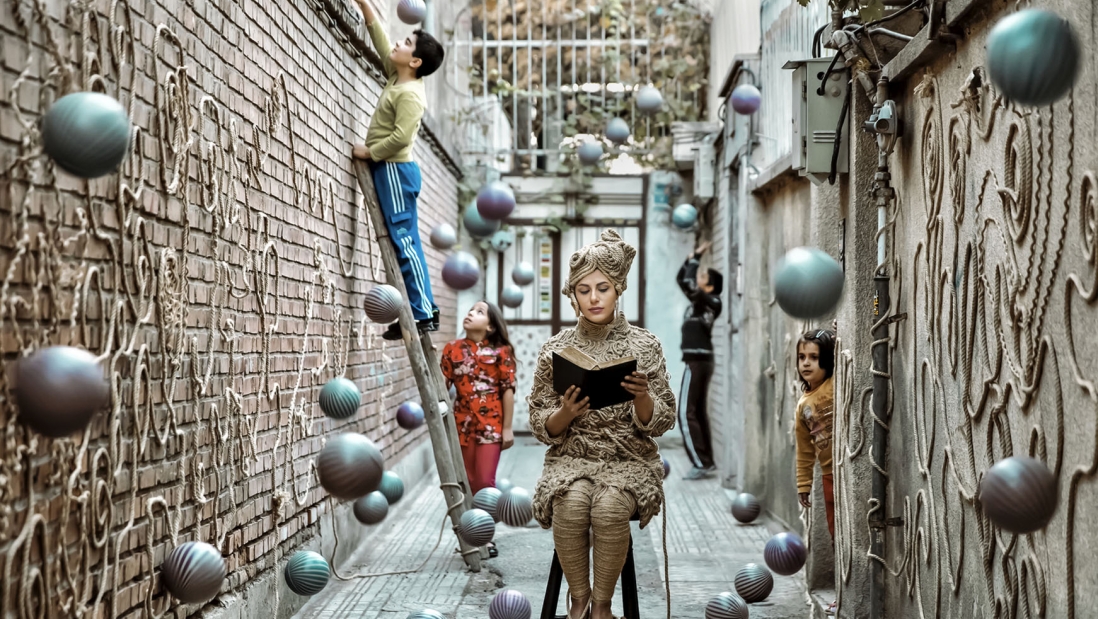
Iranian Literature after the Islamic Revolution
Iranian literature after the revolution is on the margins of the world system and not global as such. However, it is important in several national systems, because it speaks to several national literary contexts (French, German, American etc.)
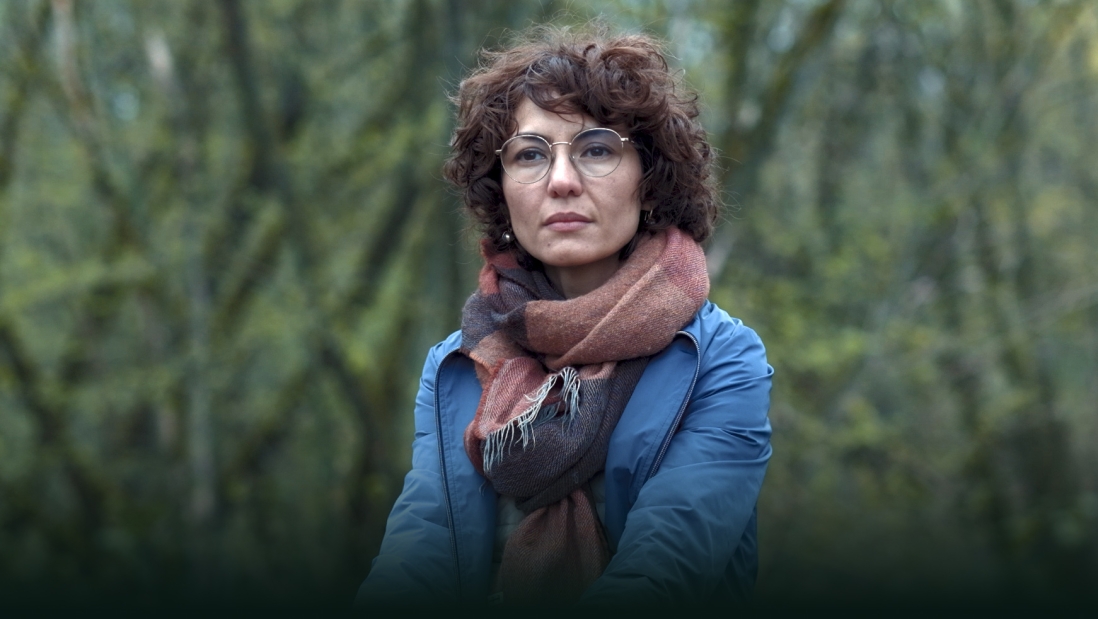
The Stranger: Afghan - Iranian Identity
Zahra Mousavi, a writer and social researcher, reflects on her lived experience as an Iranian-Afghan, navigating life between Iran and Afghanistan.
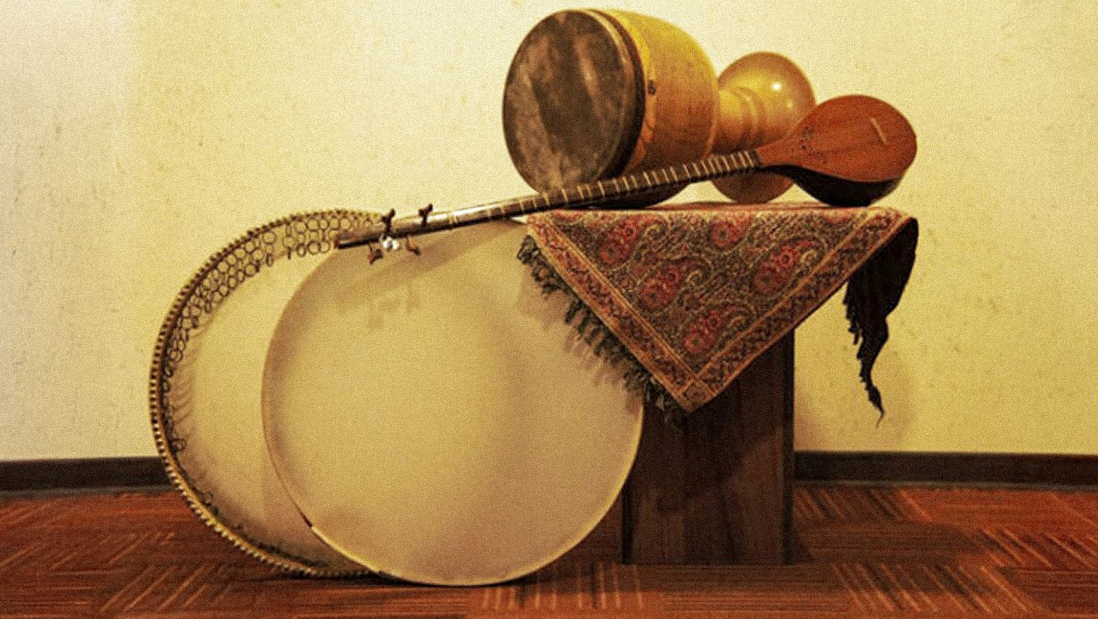
Songs of Loss, Not Peace: A Century of Iranian Protest Music
If we take the Constitutional Revolution as the first moment when Iranian music closely engaged with a social movement, the last century of political upheaval leaves a clear record in song.
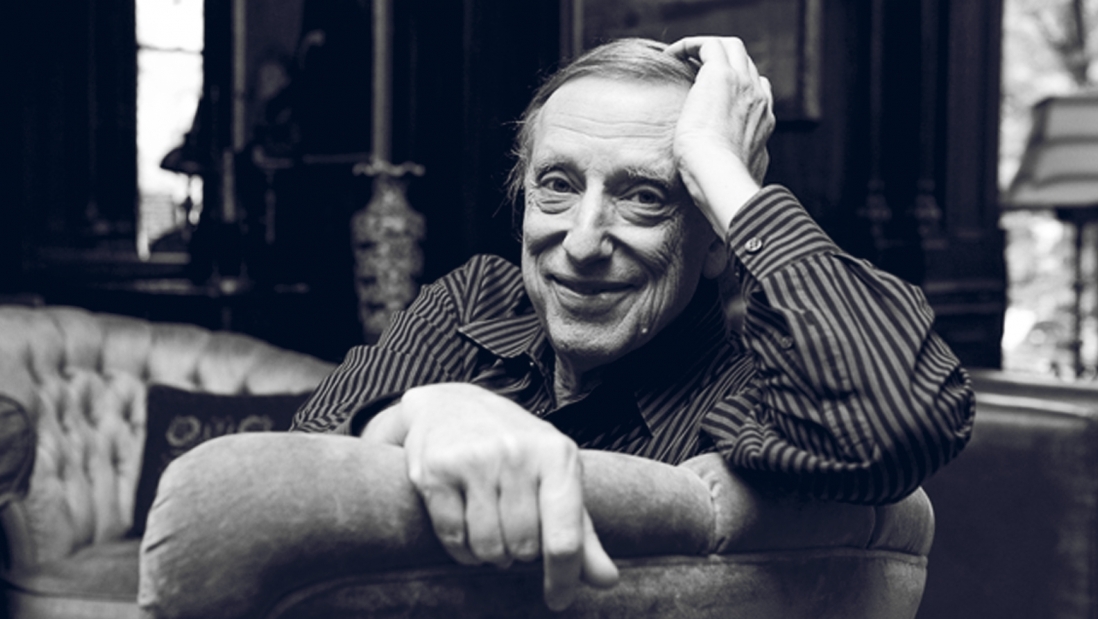
‘Memory is an inevitable site of struggle’
Even if hope is an illusion, we must hold onto it, share its light, however scant and brief, because otherwise we will never change the world, we will give injustice the last word. This much is certain: despair and indifference lead nowhere.
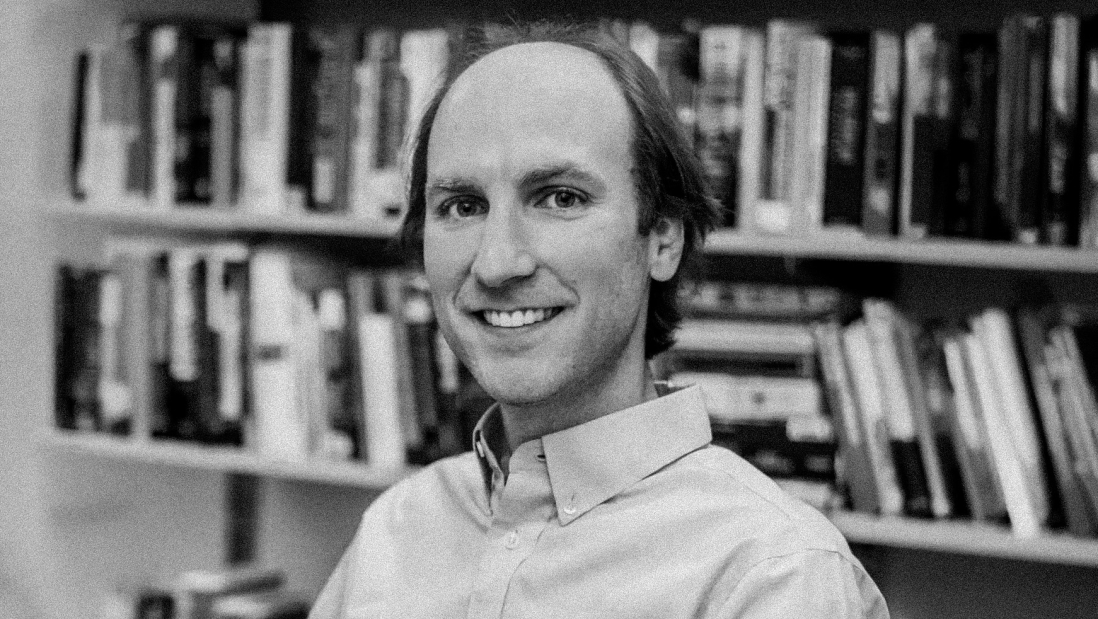
The US and Iran: Dialogues Before Distrust
If the “telos” of a historical narrative is 1979, then all roads lead to the fall of the shah and the rupture that occurred in the US-Iran relationship during the hostage crisis. In those narratives, most of which are political in orientation, the shah’s reform program is not taken seriously.
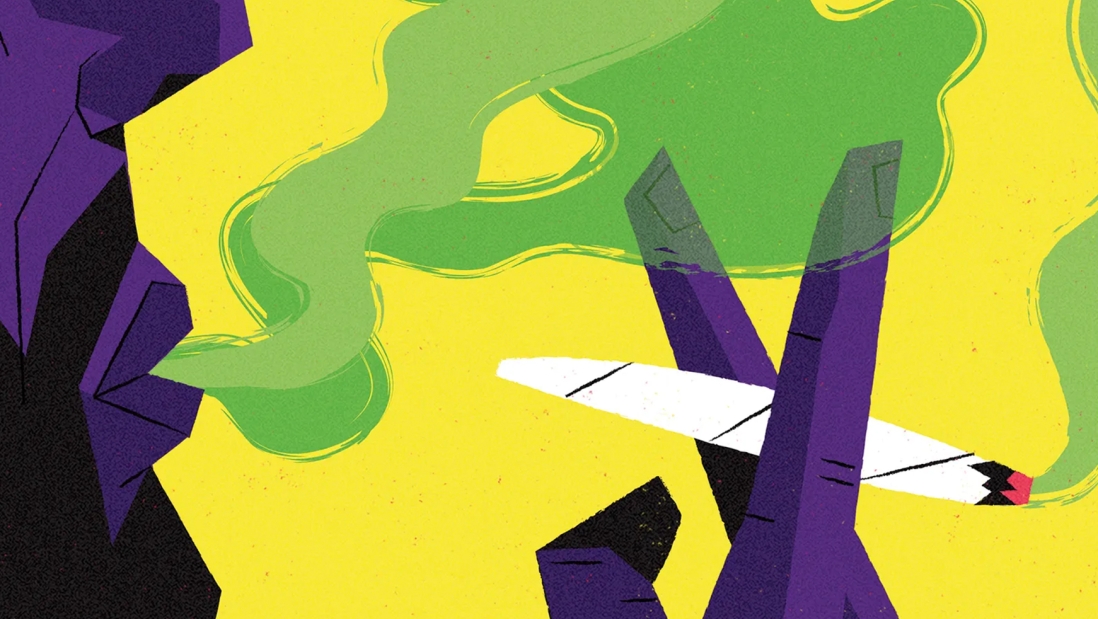
Should We Pity Addicts?
Despite changes in Iran’s drug policy over the past decades, dehumanisation of people who use substances persists. What is the nexus between language, images and treatment that dehumanise people who use substances and the violence that is committed against them and why should we all care about the manner in which people who use drugs are depicted?
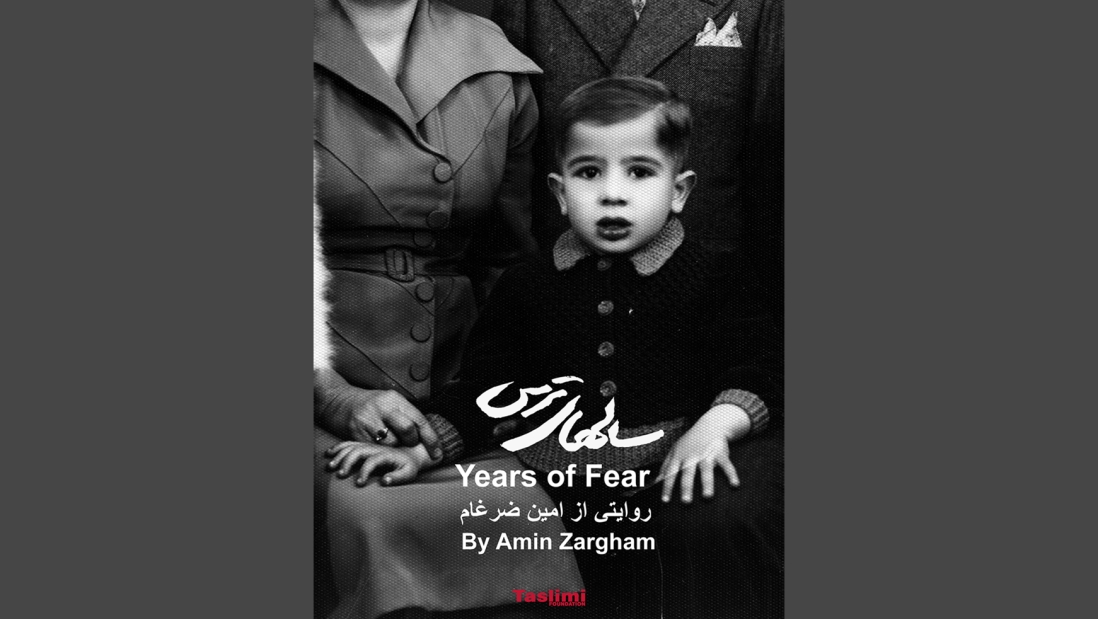
Years of Fear
A personal documentary by Amin Zargham, recounts his life as a Baha’i in Iran, tracing decades of persecution and portraying individual resistance against propaganda and imposed silence.