
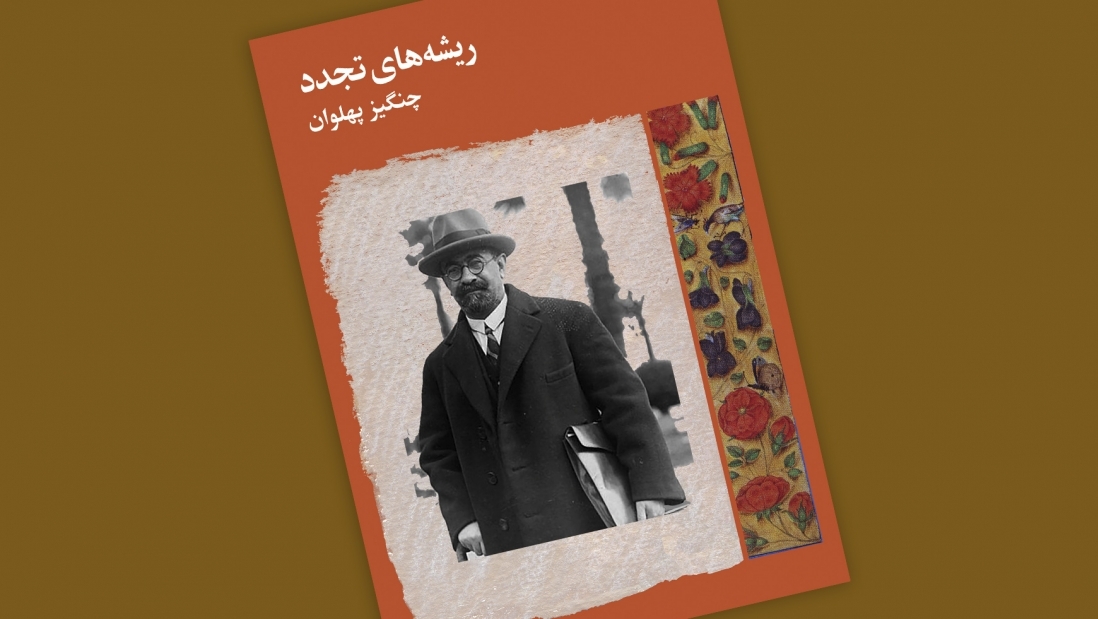
Roots of Modernity

Changiz Pahlavan

Engaging history of the School of Political Science, founded in Tehran in 1899. As the country’s first institution dedicated to training future politicians and diplomats, it shaped generations of top Iranian public servants. Phalavn explores how the school was created and governed, its curriculum and ambitions, and the visionary figures behind it — offering a vivid account of an institution that helped usher Iran into political modernity.
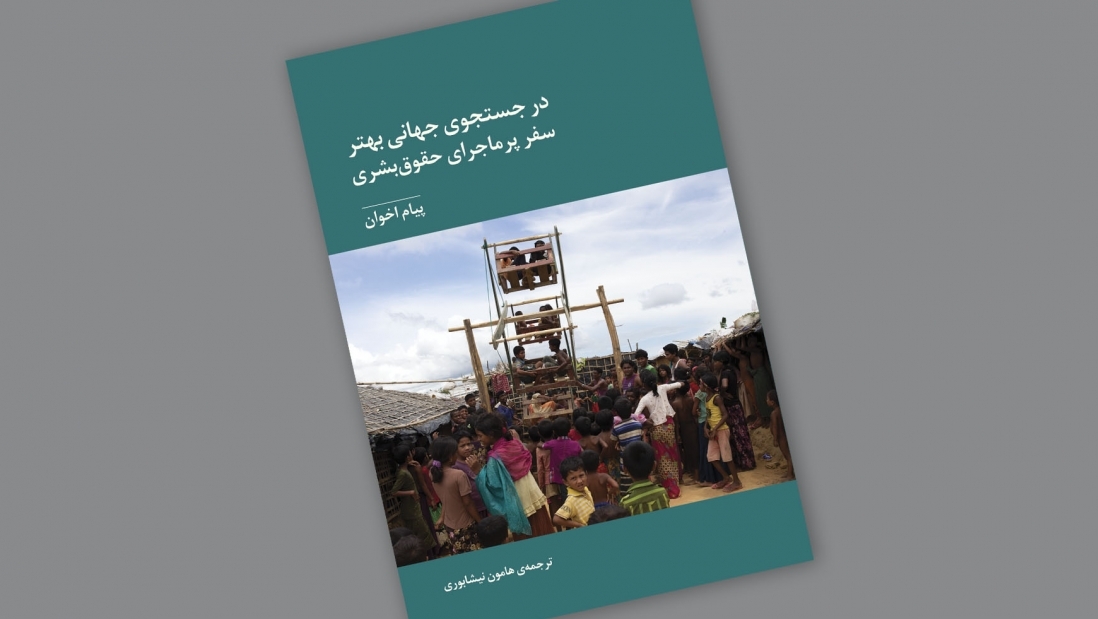
In Search of a Better World, A Human Rights Odyssey

Payam Akhavan

A powerful book of memoir, history, and a call to action, by internationally renowned human rights lawyer and scholar, Payam Akhavan, translated and published in Persian. Akhavan confronts some of the darkest atrocities of our time — from the persecution of Bahá’ís in Iran to ethnic cleansing in Yugoslavia, and genocide in Rwanda, while celebrating the enduring resilience and interdependence that can give us hope.

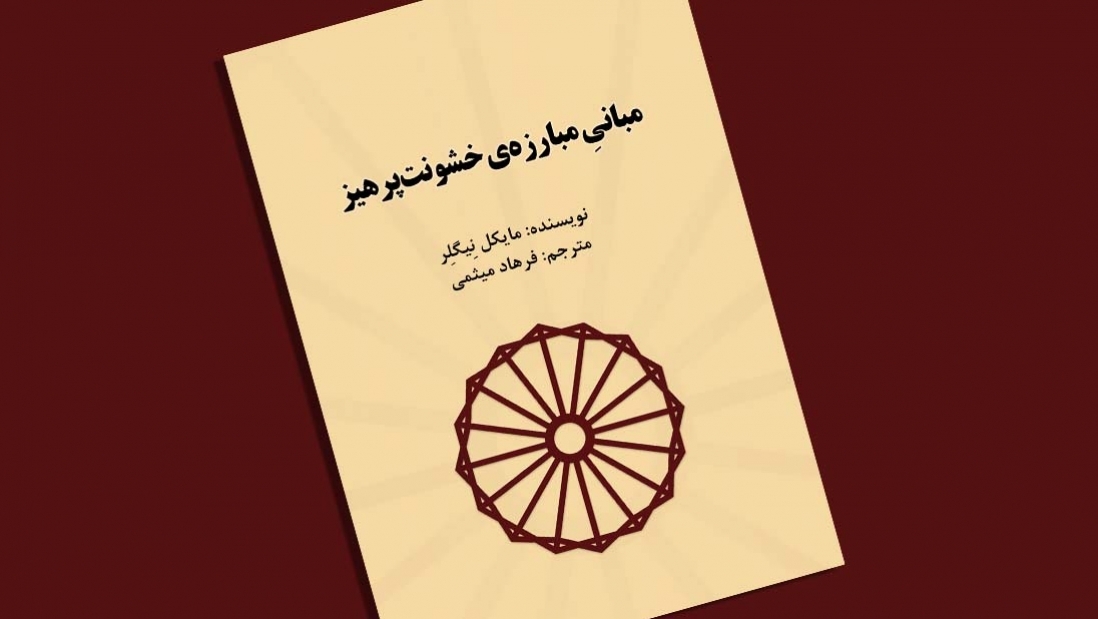
The Nonviolence Handbook: A Guide for Practical Action

Translated in prison by Farhad Meisami

This concise yet powerful book by Michael Nagler presents a compelling case for nonviolence as a disciplined, strategic force for change. Challenging the myth that nonviolence is passive, it reveals the courage and rigor it demands. Translated in prison by Farhad Meisami, one of Iran’s leading advocates of nonviolent civil resistance - the book is a timely and relevant guide for Iranians seeking effective, principled resistance today.

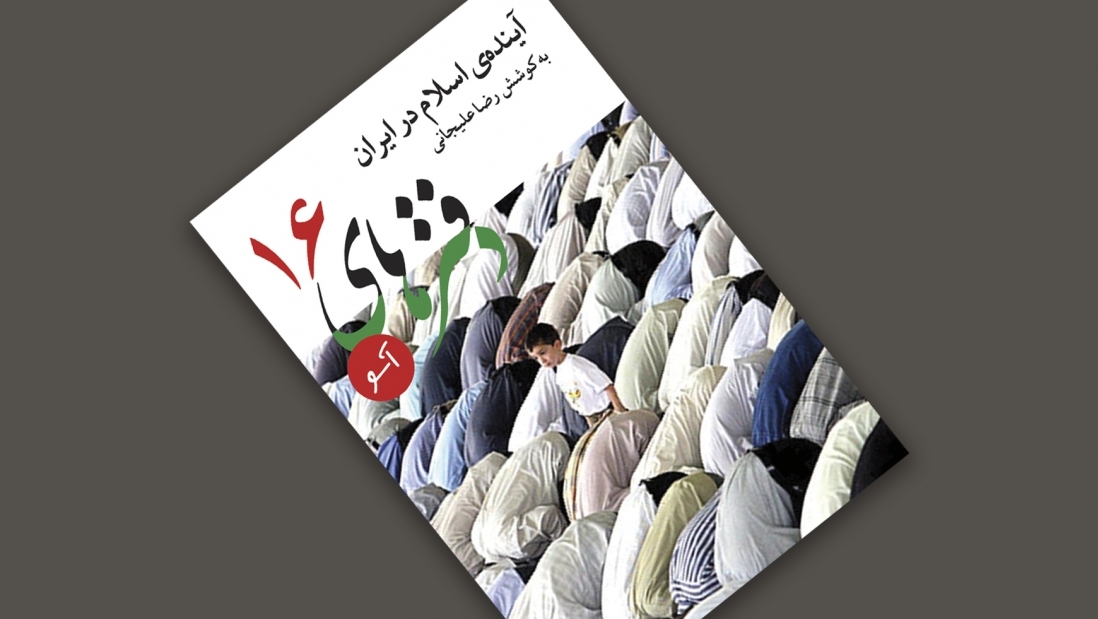
The Future of Islam in Iran

Edited by Reza Alijani

In this ground-breaking volume, Reza Alijani brings together leading Iranian thinkers for a series of candid, searching conversations about the future role of Islam in Iran’s social and political life. They grapple with pressing questions: After the experiences of ISIS, the Taliban, Wahhabism, the Muslim Brotherhood, and decades of Islamic rule in Iran, can Islam still offer a path to progress? Is a constructive reformist vision possible, or must Iran imagine a future in which religion retreats to the private sphere? A bold and essential exploration of the crossroads facing Iran and the wider Muslim world.

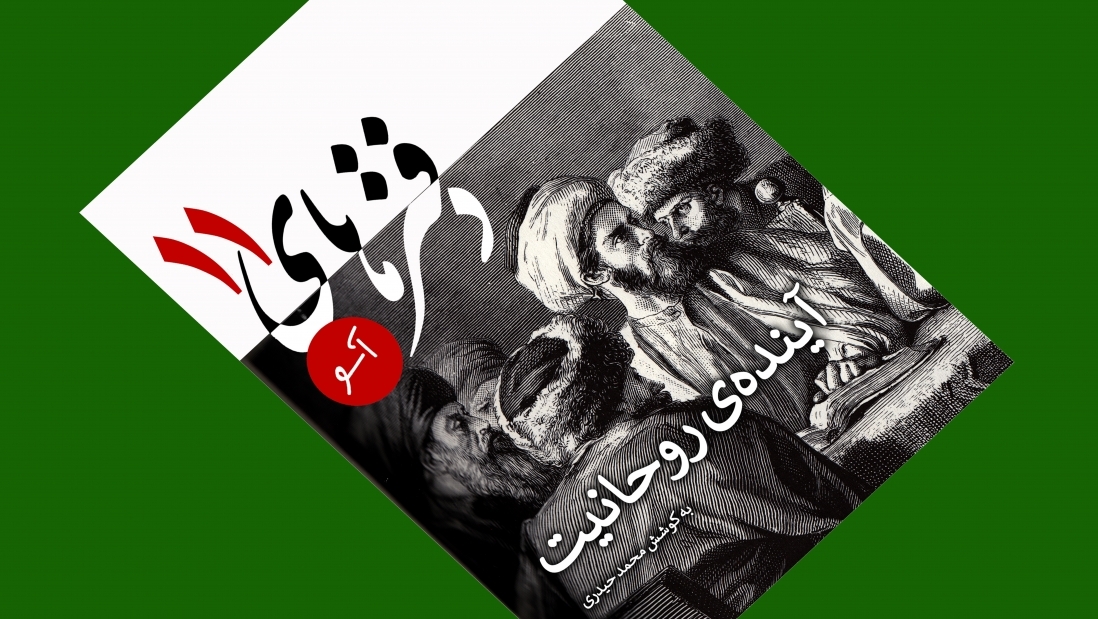
The Future of Shia Clergy

Edited by Mohammad Heydari

The bookgathers probing interviews and essays from leading Iranian scholars to examine the past, present, and uncertain future of Iran’s clerical establishment. Spanning historical roots, the rise of clerical power, the transformations brought by the Islamic Republic, and the challenges posed by social change, the contributors debate legitimacy, authority, gender, economics, and post-theocratic possibilities. This collection offers a rare, multifaceted inquiry into what place the clergy may occupy in Iran’s tomorrow.

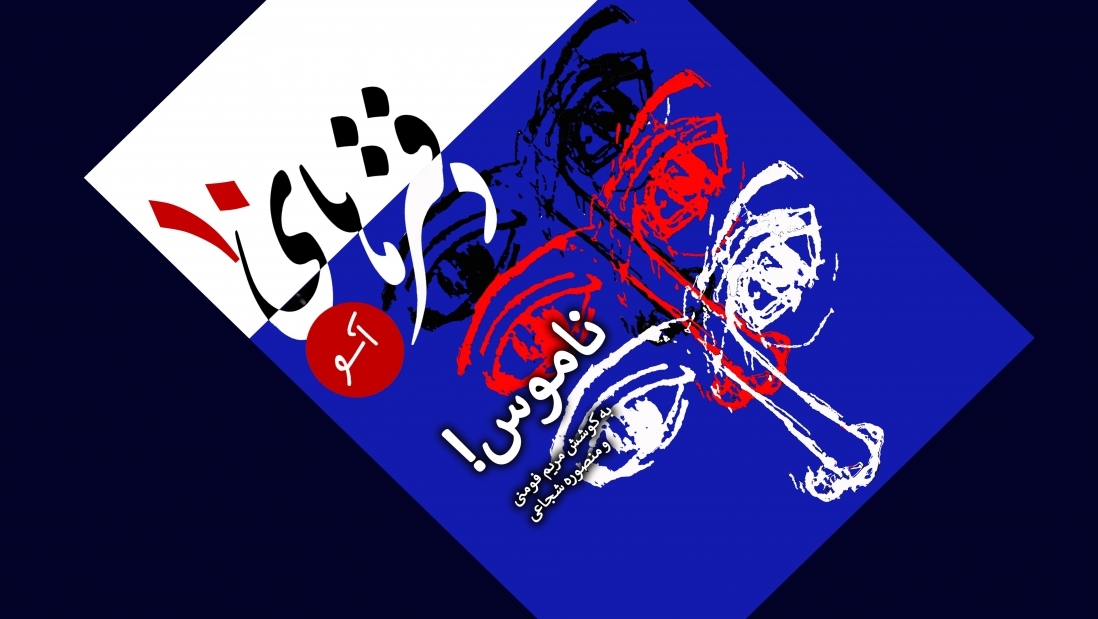
Nomos

Edited by Mansoureh Shojaei and Maryam Foumani

The book confronts the persistent reality of so-called “honour killings” in Iran and the wider region. Bringing together investigative essays, interviews, legal analysis, and testimonies from Kurdish, Arab, Baluch, and other communities, the volume exposes how law, religion, patriarchy, and media indifference collude in the killing of women. It also documents local resistance and feminist activism, arguing that naming these crimes is the first step toward ending them.

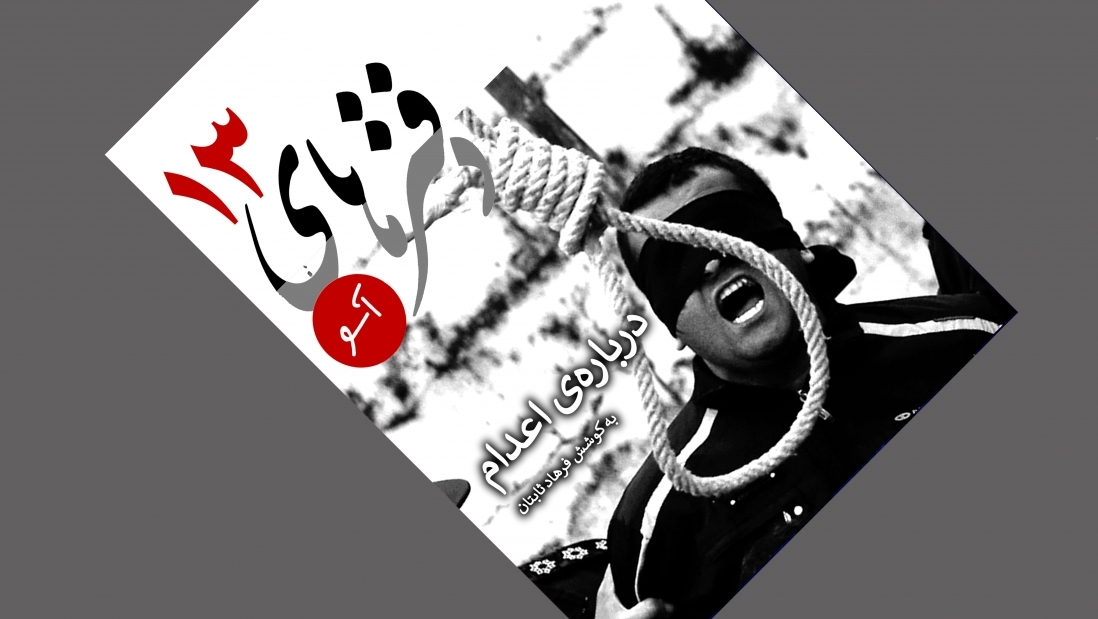
Death Penalty

Edited by Farhad Sabetan

The collection brings together powerful essays, interviews, and case studies exploring the practice of capital punishment, with a focus on Iran. Combining legal, historical, economic, and psychological perspectives with first-hand testimonies from those scarred by executions, the volume questions whether the death penalty can ever be just, effective, or compatible with human rights. Offering informed, fair-minded arguments rather than slogans, this collection invites readers to reconsider the moral, social, and political costs of state killing.

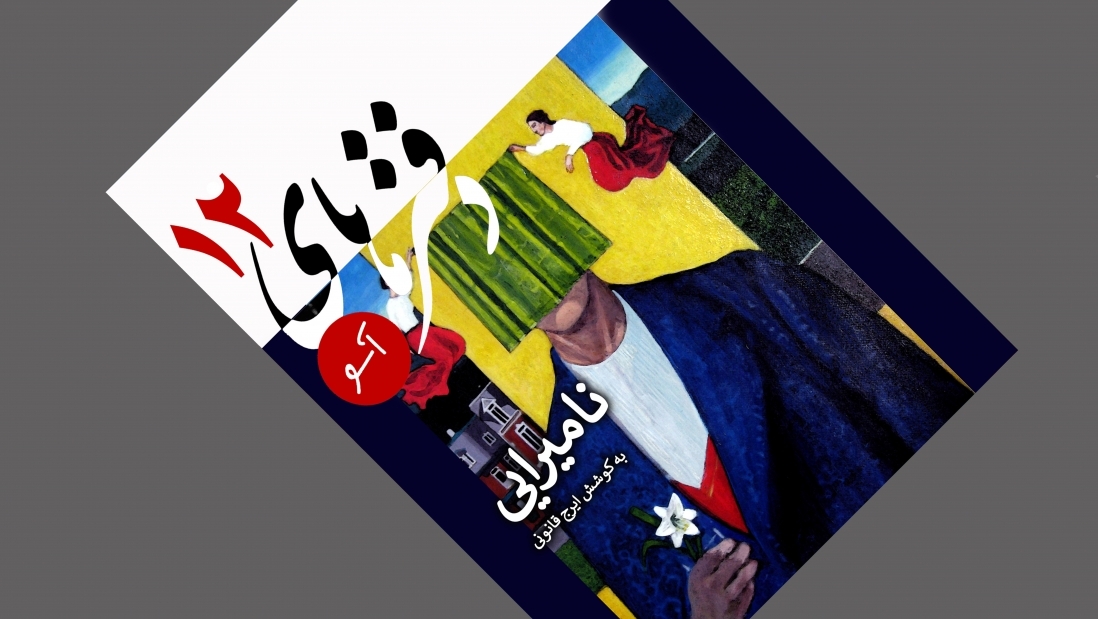
Immortality

Edited by Iraj Ghanooni

Iraj Ghanooni gathers classic and contemporary essays, translations, and reflections on death, the soul, and the desire to outlive our finite lives. From Socrates and Simmel to Bergson and modern thinkers, the volume explores how philosophy, literature, and lived experience recast mortality as a condition for meaning rather than its negation. Moving between East and West, these texts ask what, if anything, in us can resist oblivion.

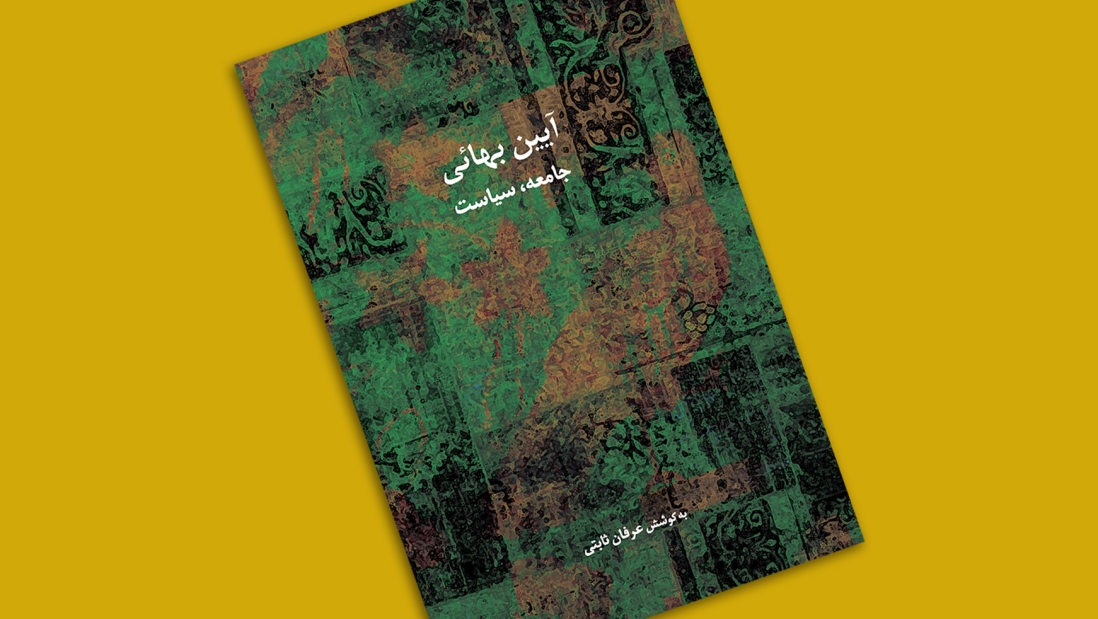
Baha’i Faith, Society & Politics

Edited by Erfan Sabeti

The collection brings together leading scholars to examine the social and political perspectives of the Baha’i faith. Through studies of community-building, minority experience, global networks, and evolving interpretations of justice, unity, and reform, the essays illuminate how a persecuted religious minority navigates power, identity, and modernity. Rich in insight and grounded in diverse contexts—from Iran and the Middle East to East Asia—this volume offers a nuanced portrait of a global faith in transformation.