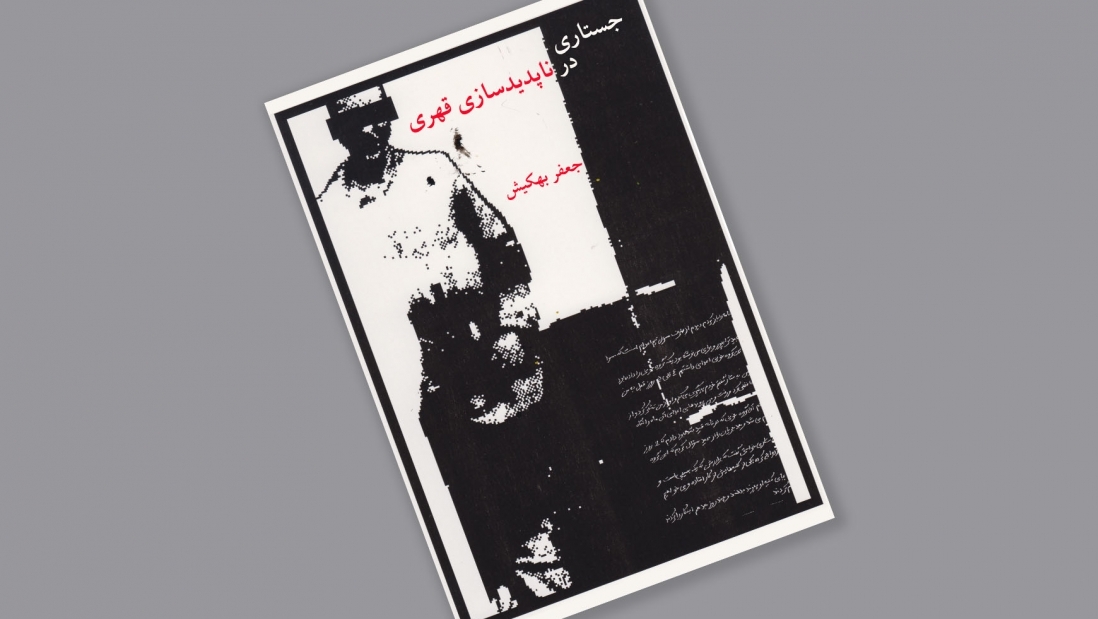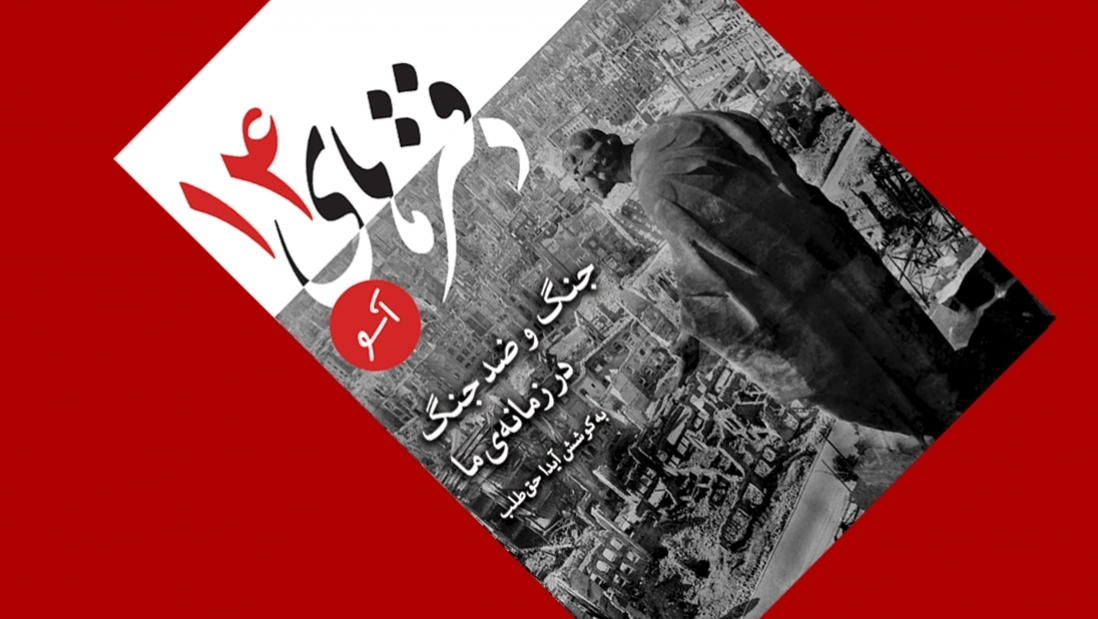


With Ebrahim Golestan

Cyrus Alinejad

An expansive interview with Ebrahim Golestan, one of twentieth-century Iran’s most influential intellectuals. interviewed in his Sussex home, in England, Golestan reflects on his childhood, family, filmmaking, fiction, politics, and the vibrant literary world he shared with figures like Hedayat, Chubak, Akhavan and Daryabandari. Through Alinejad’s clear, direct prose, the conversations unfold into a compelling portrait of a towering cultural voice and the era that shaped him.

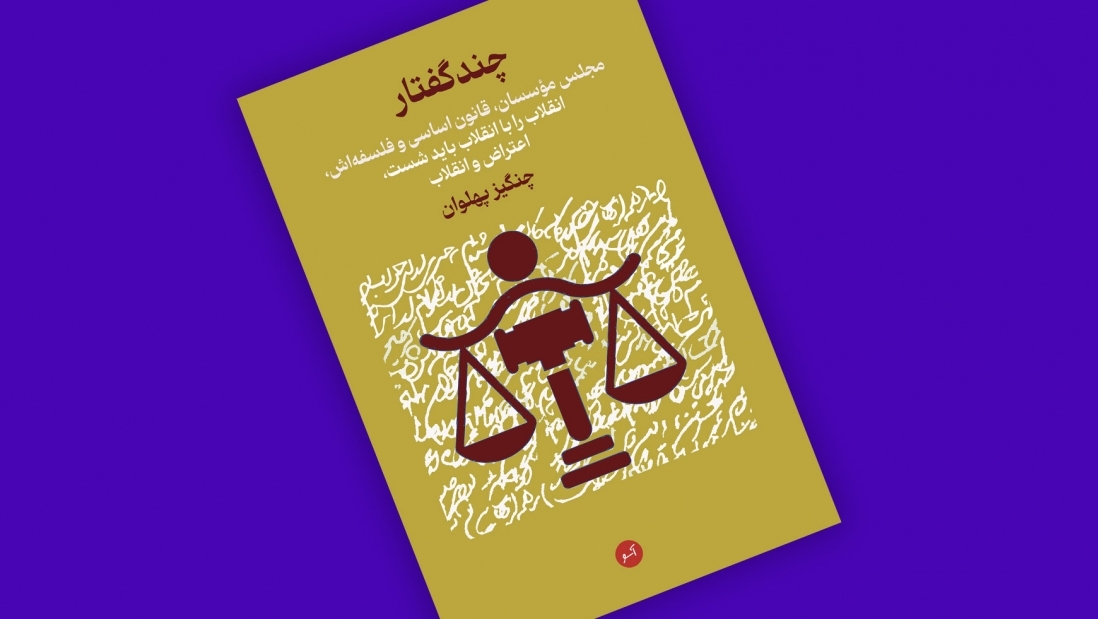
Essays on Constitution

Changiz Pahlavan

 Leading political scientist, Changiz Pahlavan illuminates the core principles of constitutional thought and the dynamics of constituent assemblies. From the philosophy of constitutions and their ties to liberalism to India’s constitutional experience and Iran’s four constitutions in a century, he explores how foundational laws are made and how politics, revolutions and citizens shape them. Drawing on his seminal work on Iran and Afghanistan, Pahlavan offers a lucid guide to the forces that craft modern governance.
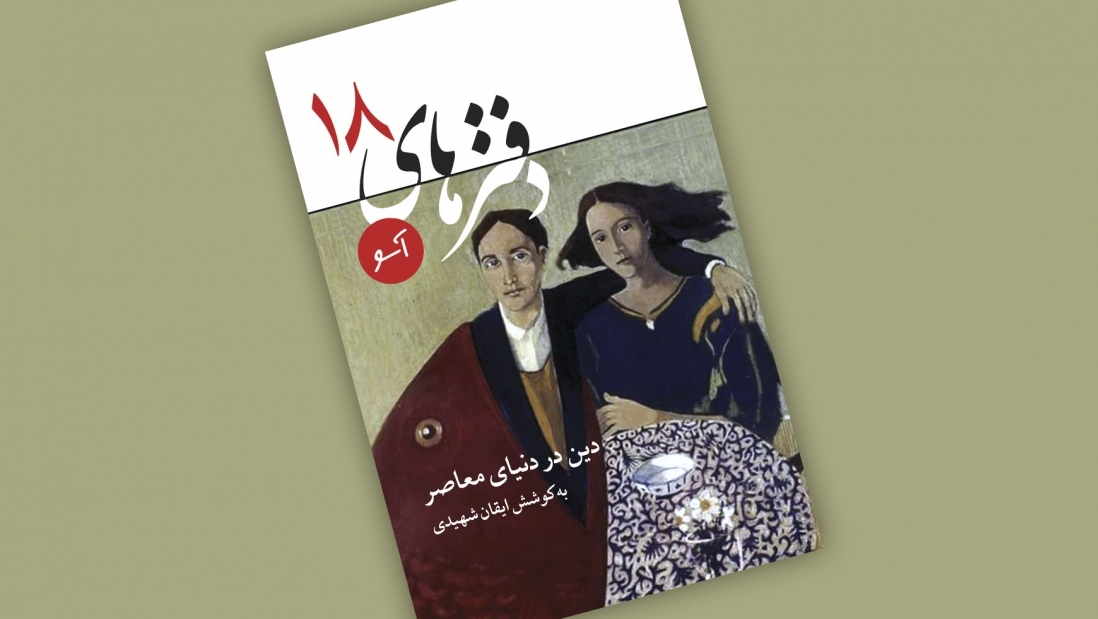
The Role of Religion in the Modern World

Edited by Iqan Shahidi

A collection of essays and interviews from a wide spectrum of secular and religious thinkers. Conscious of the impact of religion in post-1979 Iran, where faith has been used as a tool of oppression, the collection offers a concise examination of religion’s place in contemporary life. The volume surveys key theoretical perspectives and explores how diverse religious communities understand their current realities and imagine their most constructive role in the public sphere.

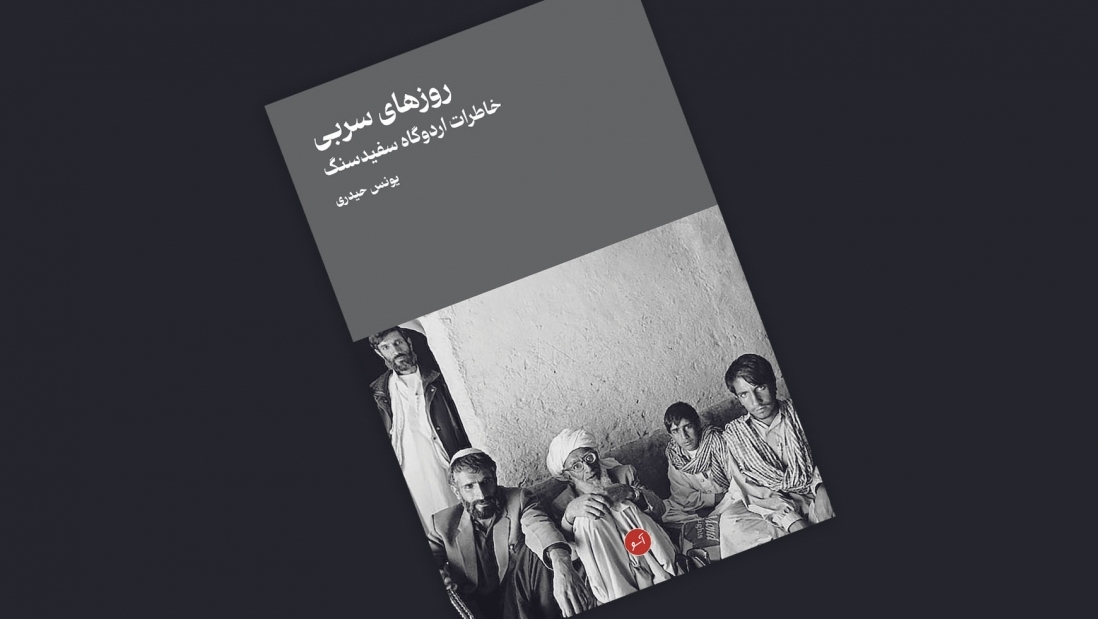
Leaden Days

Yunes Heydari

In this powerful memoir, Yunes Heydari—an Afghan migrant who lived in Iran—recounts his detention in the country’s notorious Sefid Sang border camp before being expelled to Afghanistan more than 25 years ago. Through vivid journal entries, he captures the brutal realities of a place that has come to symbolize homelessness, humiliation, and violence in the collective memory of Afghan migrants—a haunting testimony of survival and displacement.

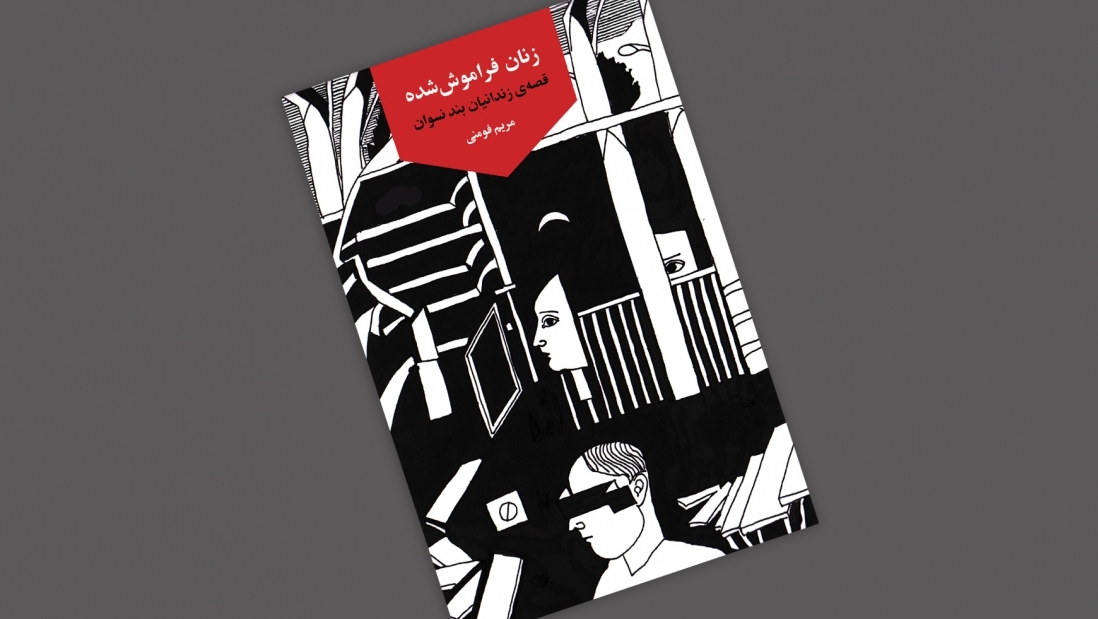
Forgotten Women

Maryam Foumani

A powerful collection that captures the lives of ordinary women incarcerated in Evin prison — women whose stories rarely surface beyond the crime pages. Written by Maryam Foumani, who interviewed them while she herself was imprisoned for her human rights work in Iran. She brings to life the voices of women awaiting execution for murder, and those jailed for theft or prostitution, with no one waiting beyond the prison gates. They all emerge in Foumani's narrative with stark, human immediacy.

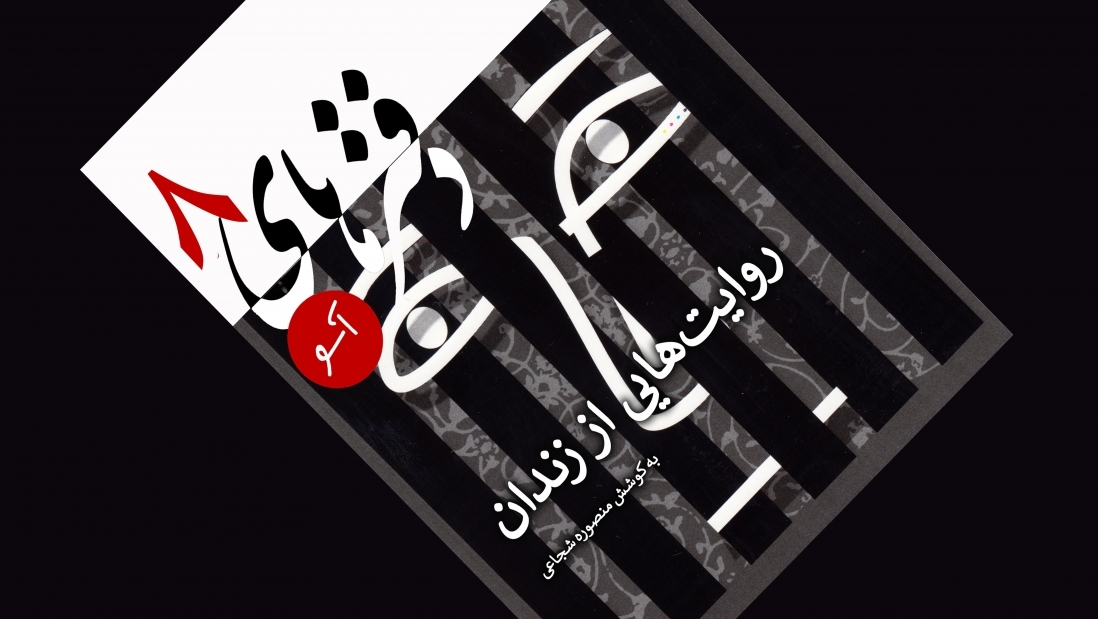
Prison Memories

Mansoureh Shojaei

This powerful volume explores the often-hidden textures of prison life in Iran, from the history of prison writing to songs, games, collective culture, and the language born behind bars. Drawing on prisoners’ lived experiences, it illuminates how creativity softens hardship and how diverse cellmates — including religious minorities - construct shared survival. Prison Memories restores overlooked voices and offers a comprehensive bibliography of Iranian prison memoirs from the Constitutional Revolution to today.

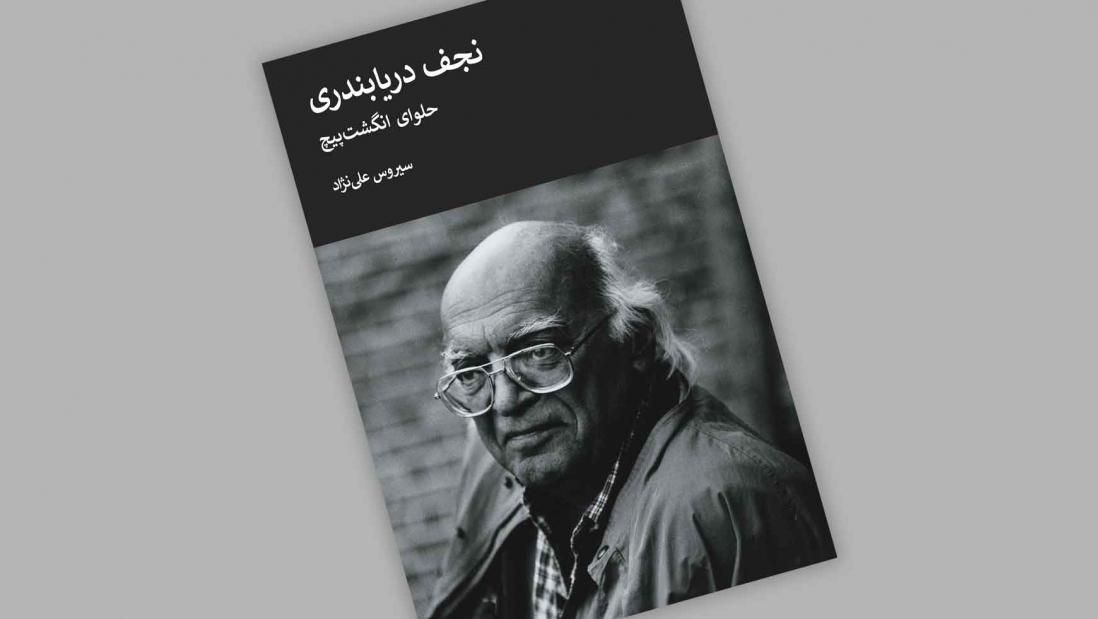
The Life and Writings of Najaf Daryabandari

A series of interviews and essays put together by Najaf Daryabandari's long-time friend and colleague, Cyrus Alinejad.  Through vivid recollections, the book traces Daryabandari’s extraordinary journey — from self-taught youth and political imprisonment to becoming one of Iran’s most influential translators and critics. Known for his wit, intellectual rigor, and transformative prose, he reshaped literary translation and cultural writing in Persian. This collection offers an intimate portrait of a singular mind whose work left a mark on Iran’s literary landscape.

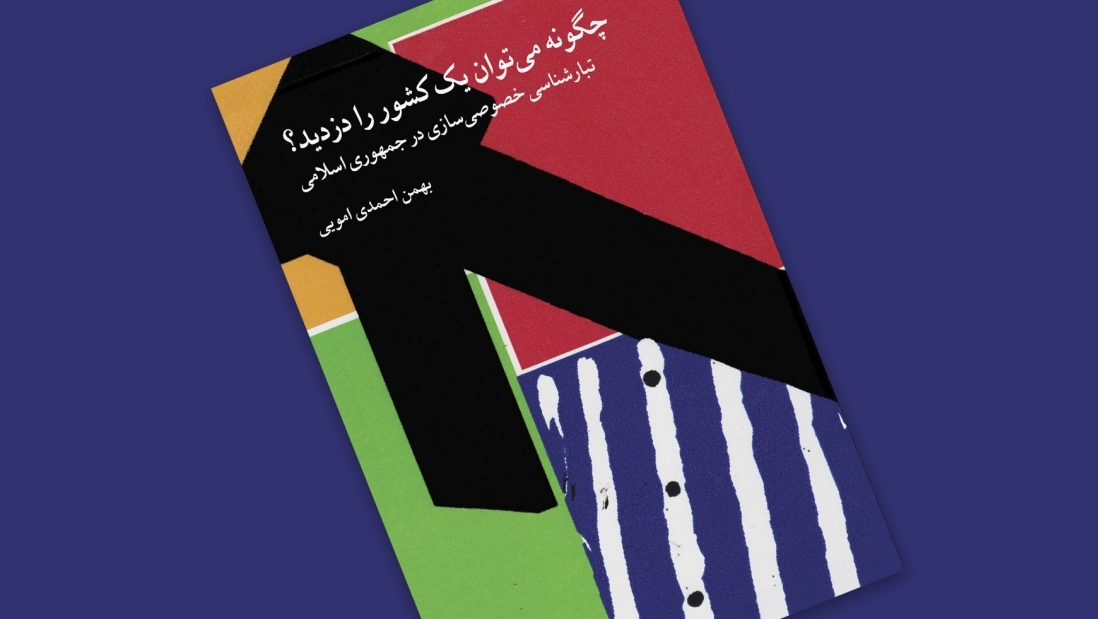
How to Steal a Country: Genealogy of Privatisation in Iran

Bahman Amoei

Drawing on many hours of interviews with twelve key insiders, the author, Bahman Amoei, uncovers the untold story of the Islamic Republic’s botched privatisation project. Because the process was never properly documented, it is only through the testimonies of those who shaped it that we can see how state assets were transformed within a closed and corrupt structure. This investigative account reconstructs a hidden history of power, politics, and dispossession.